Early Childhood Education: Building the Foundation for Lifelong Learning
Early Childhood Education plays a crucial role in shaping a child’s cognitive, emotional, and social development during the most formative years of life. From birth to around eight years old, children experience rapid brain growth that directly influences how they learn, behave, and interact with the world. Providing structured and nurturing learning experiences during this stage helps children develop essential skills that support long-term academic success and personal well-being.
What Is Early Childhood Education?
Early Childhood Education refers to organized learning programs designed for young children before they enter formal primary schooling. These programs include preschool, kindergarten, daycare-based learning, and early learning centers. The focus is not only on academics but also on social skills, emotional intelligence, creativity, and physical development.
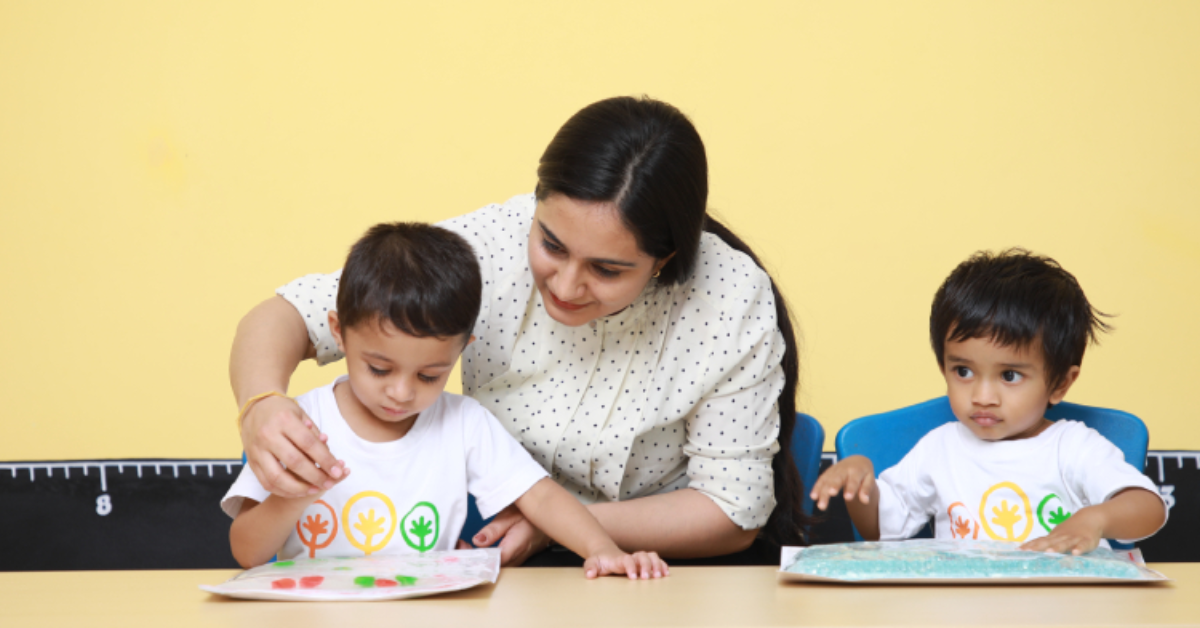
Unlike traditional classroom learning, early education emphasizes play-based activities, exploration, and guided interaction. This approach allows children to learn naturally while building confidence and curiosity.
Importance of Early Learning in Child Development
The early years are a critical period for brain development. Research shows that a child’s experiences during this stage have a lasting impact on learning capacity and behavior. Early Childhood Education supports development in several key areas:
-
Language and communication skills
-
Problem-solving and critical thinking
-
Emotional regulation and empathy
-
Social interaction and teamwork
-
Motor and coordination skills
Children exposed to quality early learning environments often adapt better to school routines and demonstrate stronger academic performance later in life.
Social and Emotional Benefits
One of the most valuable aspects of early learning programs is social development. Children learn how to share, cooperate, and communicate with peers and adults. Through group activities and guided play, they begin to understand emotions, manage conflicts, and build healthy relationships.
Early Childhood Education also helps children develop self-confidence and independence. Simple tasks such as choosing activities, following instructions, and expressing thoughts encourage autonomy and decision-making from an early age.
Cognitive Growth and Brain Development
During early childhood, neural connections form at an astonishing rate. Educational activities that stimulate curiosity—such as storytelling, puzzles, music, and interactive games—strengthen memory and reasoning abilities. Structured learning environments encourage children to ask questions, explore ideas, and develop problem-solving skills.
Early Childhood Education programs often integrate numeracy, literacy, and creative expression in age-appropriate ways. This balanced approach ensures learning feels engaging rather than overwhelming.
Role of Teachers and Caregivers
Qualified educators play a vital role in delivering effective early learning experiences. Trained teachers understand child psychology, learning patterns, and developmental milestones. They design activities that match each child’s learning pace while providing emotional support and encouragement.
Caregivers and teachers also observe children closely, identifying learning strengths or challenges early. Early intervention can significantly improve outcomes for children who may need additional support.
Parental Involvement in Early Education
Parents are a child’s first teachers, and their involvement greatly enhances the impact of Early Childhood Education. When parents engage in learning activities at home—such as reading, storytelling, or creative play—children reinforce what they learn in school.
Strong communication between parents and educators ensures consistency in learning approaches and behavioral expectations. This partnership creates a supportive environment that helps children thrive both at home and in educational settings.
Preparing Children for Formal Schooling
A major goal of early learning programs is school readiness. Children who participate in Early Childhood Education often enter primary school with better listening skills, stronger vocabulary, and improved attention spans. They are more comfortable with structured routines and classroom interactions.
School readiness goes beyond academics. Emotional resilience, adaptability, and confidence play an equally important role in helping children transition smoothly into formal education systems.
Long-Term Impact on Academic and Life Success
Studies consistently show that children who receive quality early education are more likely to succeed academically, graduate from school, and pursue higher education. The benefits extend beyond academics, influencing employment opportunities, health, and social relationships in adulthood.
Early Childhood Education contributes to reduced dropout rates and improved social outcomes, making it a valuable investment for families and society as a whole.
Inclusive and Holistic Learning Approaches
Modern early learning programs focus on inclusivity and holistic development. Children from diverse backgrounds, abilities, and learning styles are supported through adaptive teaching methods. This inclusive approach fosters respect, empathy, and cultural awareness from a young age.
By addressing physical, emotional, intellectual, and social needs together, Early Childhood Education ensures balanced development rather than isolated academic achievement.
Choosing the Right Early Learning Program
Selecting the right program is an important decision for parents. Key factors to consider include qualified staff, safe and engaging environments, balanced curriculum, and positive teacher-child interactions. Observing classrooms and asking questions can help parents make informed choices.
A high-quality Early Childhood Education program should encourage curiosity, creativity, and joyful learning while maintaining structure and guidance.
Conclusion
Early Childhood Education lays the groundwork for a child’s lifelong learning journey. By nurturing young minds during their most critical developmental years, it builds essential skills that support academic achievement, emotional well-being, and social success. Investing in quality early learning experiences benefits not only individual children but also families, communities, and future generations.